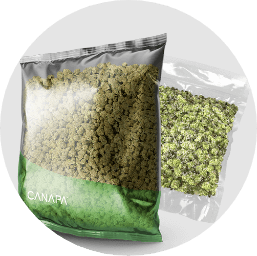
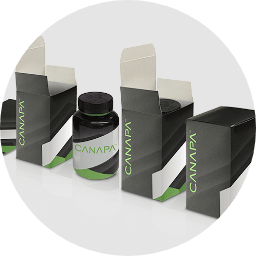
Cannabis operators across the U.S. are facing the same challenge: rising labor costs, tighter margins, and increasing production demands. As a result, cannabis packaging automation is no longer a future concept — it’s a present-day necessity for brands looking to scale efficiently and stay competitive.
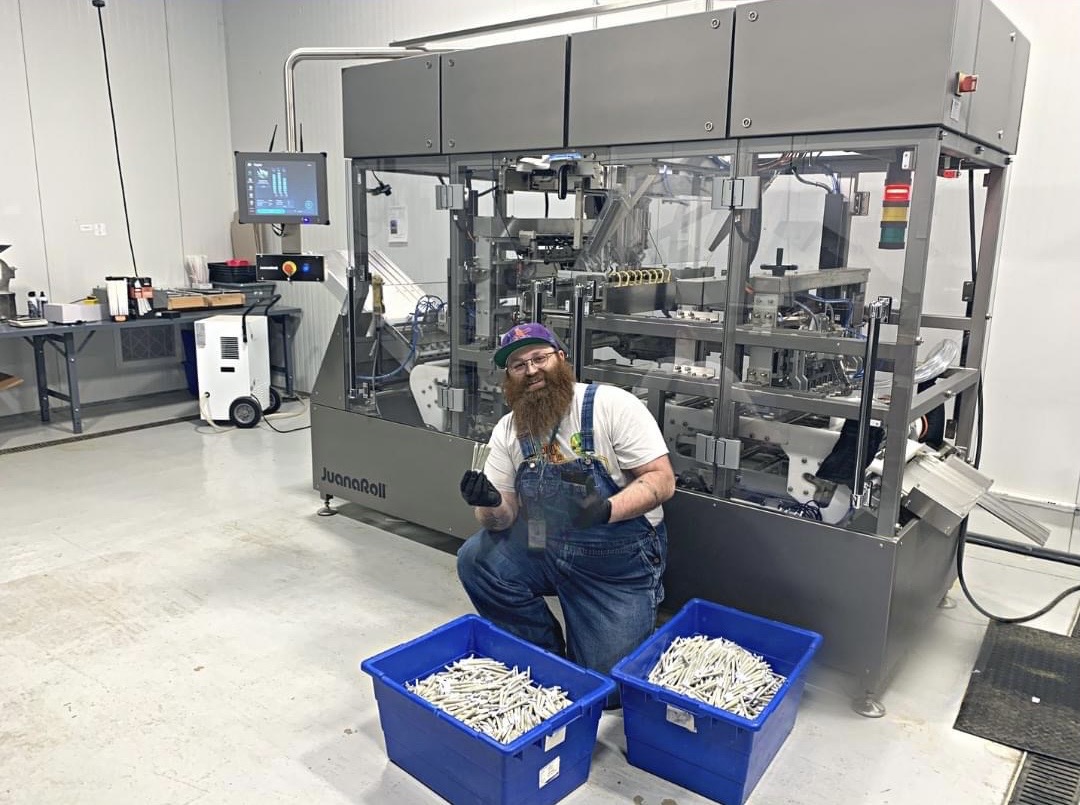
Why Manual Cannabis Packaging Is Holding Operators Back
Manual cannabis packaging relies heavily on labor, which introduces:
- Inconsistent weights and quality
- Slower production speeds
- Higher employee turnover
- Increased compliance risk
As production volumes increase, manual packaging becomes one of the most expensive bottlenecks in the operation.
How Cannabis Packaging Automation Solves Labor & Throughput Issues
Automated cannabis packaging machines:
- Reduce labor dependency by up to 50–70%
- Run consistently across multiple shifts
- Improve weight accuracy and product presentation
- Increase output without increasing headcount
Systems from Canapa are designed to scale with operators — from semi-automated solutions to fully integrated packaging lines.
When Is the Right Time to Automate Cannabis Packaging?
If your operation is experiencing any of the following, it’s time to consider automation:
- Packaging delays impacting shipping schedules
- Difficulty hiring or retaining packaging staff
- Increased cost per unit packaged
- Plans to expand SKUs or enter new markets
FAQ: Cannabis Packaging Automation
Q: How much does cannabis packaging automation cost?
A: Costs vary by automation level, but many operators see ROI within 12–24 months through labor savings alone.
Q: Is automation only for large MSOs?
A: No. Modular and semi-automated systems allow small and mid-size operators to automate incrementally.
Q: Does automation improve compliance?
A: Yes. Automated systems improve weight accuracy, labeling consistency, and repeatability.
Looking to reduce labor costs and increase output? Contact us to learn how cannabis packaging automation can future-proof your operation.